
International Literacy Day on 8 September is observed in South Africa with particular significance, given the country's ongoing challenges with functional literacy and educational outcomes. Schools, libraries, NGOs, and government departments use the occasion to promote reading programmes, adult literacy initiatives, and early childhood language development. It carries no public holiday status but is actively recognised in the education sector. ---
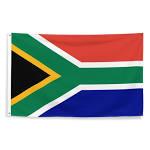
Public Holidays & National Observances in South Africa 2026
Discover the official 2026 public holiday calendar for South Africa. Plan your long weekends and cultural celebrations with our accurate guide to South Africa's statutory and historical holidays.
Last verified: June 2026
Public Holidays & Observances List
Heritage Day on 24 September is a statutory public holiday in South Africa, celebrating the diverse cultural heritage of the country's many communities — Zulu, Xhosa, Sotho, Tswana, Venda, Ndebele, Afrikaner, Cape Malay, Indian South African, and many more. Originally rooted in the Zulu celebration of the Day of the Covenant (uSuthu), Heritage Day was reframed after 1994 as an inclusive national celebration of South Africa's cultural plurality. It has been popularly re-branded as "Braai Day" — a non-partisan social campaign encouraging all South Africans to gather around a braai (barbecue) regardless of background.
- Heritage Day celebrations include traditional dress, cultural performances, food festivals, and community exhibitions showcasing the languages, music, dance, and customs of South Africa's many ethnic and cultural groups.
- The National Braai Day campaign has gained remarkable traction, with the braai positioned as South Africa's universal cultural common ground — an informal institution that cuts across race, language, religion, and class.
World Teachers' Day on 5 October is an international observance recognised in South Africa by the Department of Basic Education, teacher unions including SADTU and NAPTOSA, and schools nationwide. It is used to acknowledge the contributions of teachers to South Africa's educational development and democratic future. It carries no public holiday status. ---
Halloween on 31 October is an informal cultural observance in South Africa with no public holiday status and no historical roots in local tradition. It is increasingly observed in suburban neighbourhoods, shopping malls, and entertainment venues, driven by American cultural influence through media and retail. Trick-or-treating, costume parties, and themed events are most common in the major urban centres of Johannesburg, Cape Town, and Durban. ---
All Saints' Day on 1 November is a Christian observance in South Africa, recognised by Catholic, Anglican, and some other Protestant denominations as a day to honour all saints, known and unknown. It carries no public holiday status in South Africa but is observed through church services and personal commemoration in Christian communities. In some South African communities with strong Catholic traditions, it is a meaningful day of prayer and remembrance. ---
Remembrance Day Events on 11 November mark the anniversary of the armistice that ended World War One, observed in South Africa through wreath-laying ceremonies at war memorials and services organised by organisations including the South African Legion. South Africa contributed significantly to both World Wars, and the country has numerous Commonwealth War Graves Commission cemeteries and memorials. It is not a public holiday but is recognised with formal military and civic ceremonies. ---
Day of Reconciliation on 16 December is a statutory public holiday in South Africa with layered historical meaning. Under the apartheid government, 16 December was observed as the Day of the Vow (Geloftedag) — marking the Battle of Blood River in 1838, when Voortrekkers defeated a Zulu army and attributed their victory to a covenant with God. The ANC's armed wing, Umkhonto we Sizwe (MK), also chose 16 December 1961 to launch its first acts of sabotage. Post-1994, the date was reconceived as the Day of Reconciliation, using its contested history as a starting point for building national unity across divides.
- Official Day of Reconciliation events are held at national monuments and civic venues, with addresses by government leaders emphasising nation-building, social cohesion, and the work of reconciling South Africa's complex past.
- Community organisations, interfaith groups, and NGOs use the day for dialogue sessions, peace walks, and community service initiatives aimed at addressing the deep divisions that persist in post-apartheid South Africa.
Christmas Eve on 24 December is a widely observed cultural occasion in South Africa, though it carries no public holiday status. Midnight Mass services at churches across the country draw large congregations, particularly in Catholic and Anglican communities. Shopping centres reach peak trading in the days preceding Christmas Eve as South Africans finalise gift purchases and prepare for Christmas Day gatherings. ---
Christmas Day on 25 December is a statutory public holiday in South Africa, celebrating the birth of Jesus Christ and observed as a major national occasion across communities of all faiths and backgrounds. South African Christmas traditions reflect the midsummer timing in the Southern Hemisphere — outdoor braais, beach visits, and family gatherings in gardens are as central to the day as church services and gift-giving. It is consistently one of the largest family holidays of the South African year.
- Church services on Christmas morning — from large metropolitan cathedrals to small rural congregations — are attended by millions of South Africans, with the Zionist Christian Church holding particularly large open-air gatherings in Limpopo and across Gauteng.
- Christmas lunch in South Africa typically combines roast meats, braai, fresh summer salads, and traditional desserts — with families gathering across racial and cultural lines in a day that reflects the country's social diversity.
Day of Goodwill on 26 December is a statutory public holiday in South Africa, equivalent to Boxing Day in other Commonwealth countries. It is a day associated with charitable giving, community generosity, and continuing the Christmas long weekend with rest, family time, and outdoor activities. Many South African charitable organisations run food drives and community meals on this day.
- Charities, churches, and community organisations across South Africa distribute food parcels, clothing, and gifts to less fortunate families and individuals on the Day of Goodwill, making it one of the most active days for organised social giving.
- Post-Christmas retail sales traditionally launch on the Day of Goodwill, with major shopping centres and online retailers running significant discount promotions to attract the post-Christmas spending surge.
New Year's Eve on 31 December is a widely celebrated cultural observance in South Africa with no public holiday status, marked by large public events, private parties, and fireworks displays in cities across the country. Cape Town's waterfront, Johannesburg's entertainment districts, and Durban's Golden Mile beachfront are the most popular public gathering points for the midnight countdown. For many South Africans, New Year's Eve also includes New Year's church services, particularly in Pentecostal and Zionist Christian communities. ---
South Africa Public Holidays in 2026: The Complete Guide
South Africa observes twelve statutory public holidays per year, each carrying specific legal entitlements for workers and employers under the Public Holidays Act, 1994. Understanding the full holiday calendar — including which days are statutory, which are observances, and how the Sunday rollover rule works — is essential for anyone managing annual leave, planning events, or simply making the most of the country's long weekends.
Statutory Public Holidays vs. Observances in South Africa
South Africa's statutory public holidays are set by the Public Holidays Act and include days like Human Rights Day (21 March), Freedom Day (27 April), Workers' Day (1 May), Youth Day (16 June), National Women's Day (9 August), Heritage Day (24 September), Day of Reconciliation (16 December), Christmas Day (25 December), and the Day of Goodwill (26 December), alongside New Year's Day, Good Friday, and Family Day.
These are distinct from observances — dates like Valentine's Day, Mother's Day, International Women's Day, and Halloween — which carry cultural or commercial significance but no legal weight. Employees have no statutory right to a day off for observances, and employers are under no obligation to adjust pay or working arrangements for them.
South Africa's public holiday calendar is particularly rich in post-apartheid commemorative days: Human Rights Day, Freedom Day, Youth Day, National Women's Day, and the Day of Reconciliation all trace their origins directly to the liberation struggle and the transition to democracy. Understanding this history adds depth to the calendar well beyond the practical question of which days are off.
The Sunday Rollover Rule and Long Weekends in 2026
South Africa's Public Holidays Act includes a clear provision: when a public holiday falls on a Sunday, the following Monday becomes the public holiday. This is commonly called the Sunday rollover rule, and it has a meaningful impact on how the calendar plays out in 2026.
Checking the day of the week for each statutory holiday in 2026 is therefore a necessary first step for employers updating leave policies, HR teams publishing company calendars, and individuals booking travel and accommodation. A Monday rollover can create an unexpected long weekend — or confirm a short one — and the difference can affect annual leave planning significantly. Family Day, which always falls on the Monday after Easter, is particularly worth noting when Easter itself shifts year to year.
South Africa's June cluster — with Youth Day on 16 June often falling close to the winter solstice — can create productive long-weekend opportunities, especially in years when it lands on a Thursday or Monday.
Plan Ahead with the Printable PDF Calendar
The most practical tool for managing South Africa's public holiday calendar in 2026 is a dedicated printable PDF formatted for local use. A well-structured 2026 South Africa holiday calendar should clearly distinguish statutory public holidays from observances, flag any Sunday rollovers with the correct observed date, and show school holiday periods alongside the public holiday schedule.
Our downloadable 2026 South Africa public holiday calendar is formatted for A4 printing and covers all twelve statutory holidays, key cultural observances, and rollover dates confirmed for 2026. It's suitable for office noticeboards, HR leave planners, school staffrooms, and home use — everything you need to plan the year ahead with confidence.